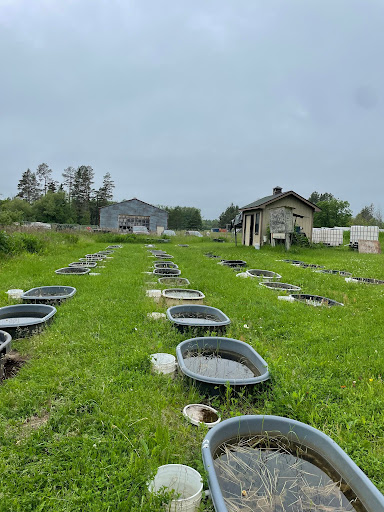
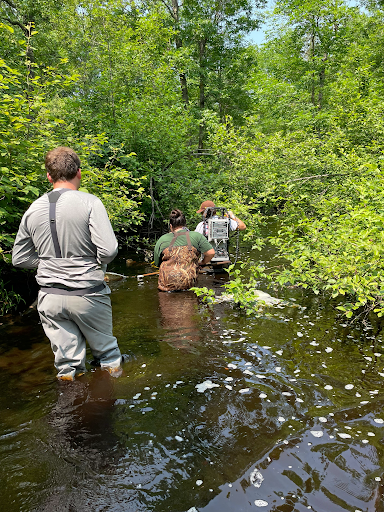
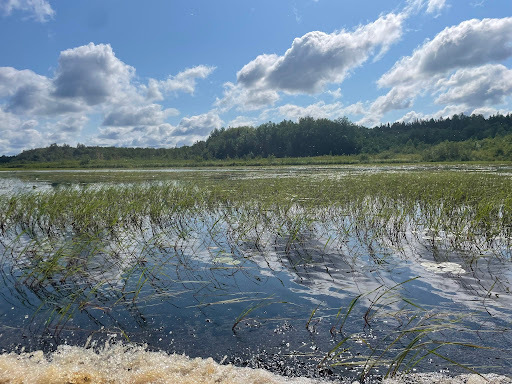
Team Zaaga’igan splits their time between researching a topic at University of Minnesota, Duluth (UMN-D), that is of interest to the Fond du Lac (FDL) reservation and shadowing natural resources staff at the FDL reservation. Research topics are developed and mentored in a partnership between FDL researchers and UMN-D researchers. Many waters in the 1854 Ceded Territories have elevated levels of sulfur from regional industrial activities including mining, power generation, and paper processing. Team Zaaga’igan has had a research focus on the impact of sulfate, sulfide, and iron on wild rice health and reproduction for many years, a topic of significant interest to FDL as they work with state and federal policymakers to determine safe levels of these chemicals for wild rice lakes.
Team participants are also introduced to natural resource management through regular visits to the reservation led by personnel from all FDL divisions. The focus of wild rice research has recently shifted from observing a decline in wild rice populations in controlled mesocosm conditions to now documenting the recovery of wild rice in those same mesocosms after sulfate loads have been removed. This team plans to continue studying the impacts of sulfur on resources of interest to FDL Natural Resources. Specific topics will include ongoing research into sulfur’s impacts on wild rice growth, reproduction, and nutritional quality and may branch into emergent topics of interest to FDL such as mercury bioaccumulation and sulfur or mercury removal from wastewater.
In addition, students will have a connection to the United States Geological Survey Midwest Climate Adaptation Science Center (CASC), whose REU program with College of Menominee Nation provides other opportunities for engagement with students based at University of Minnesota, Twin Cities or UMN-D.
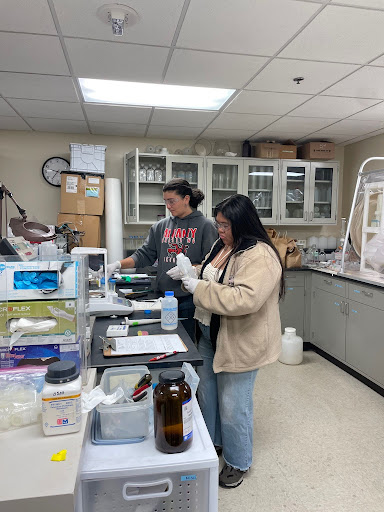
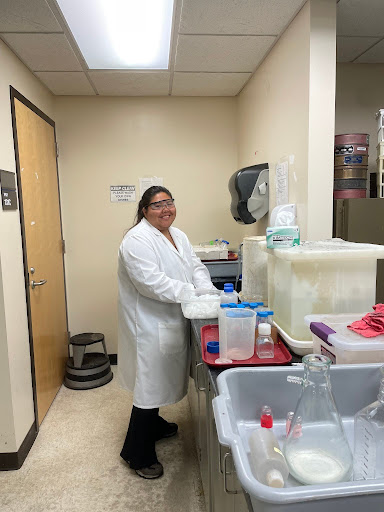
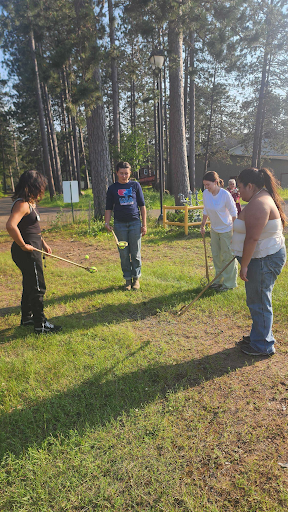
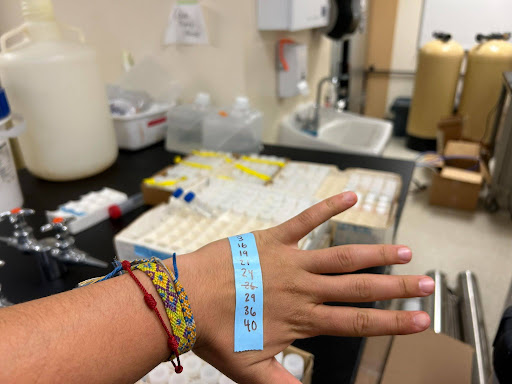
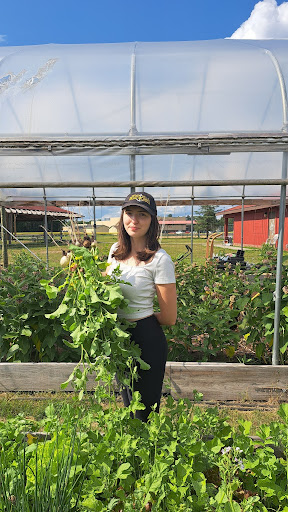
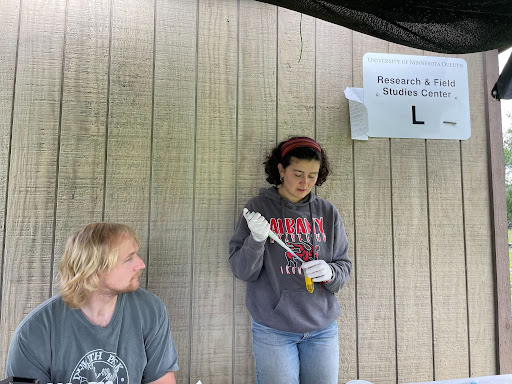

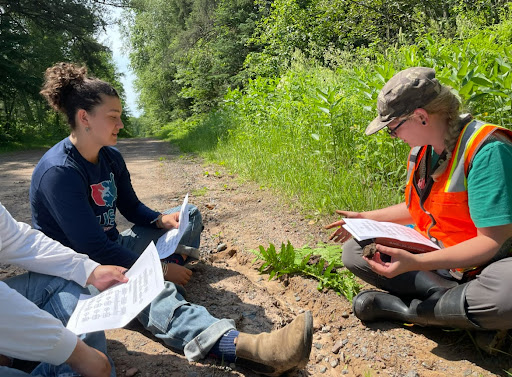
Learn about the 2024 Team Zaaga’igan group.
 REU on Sustainable Land and Water Resources